

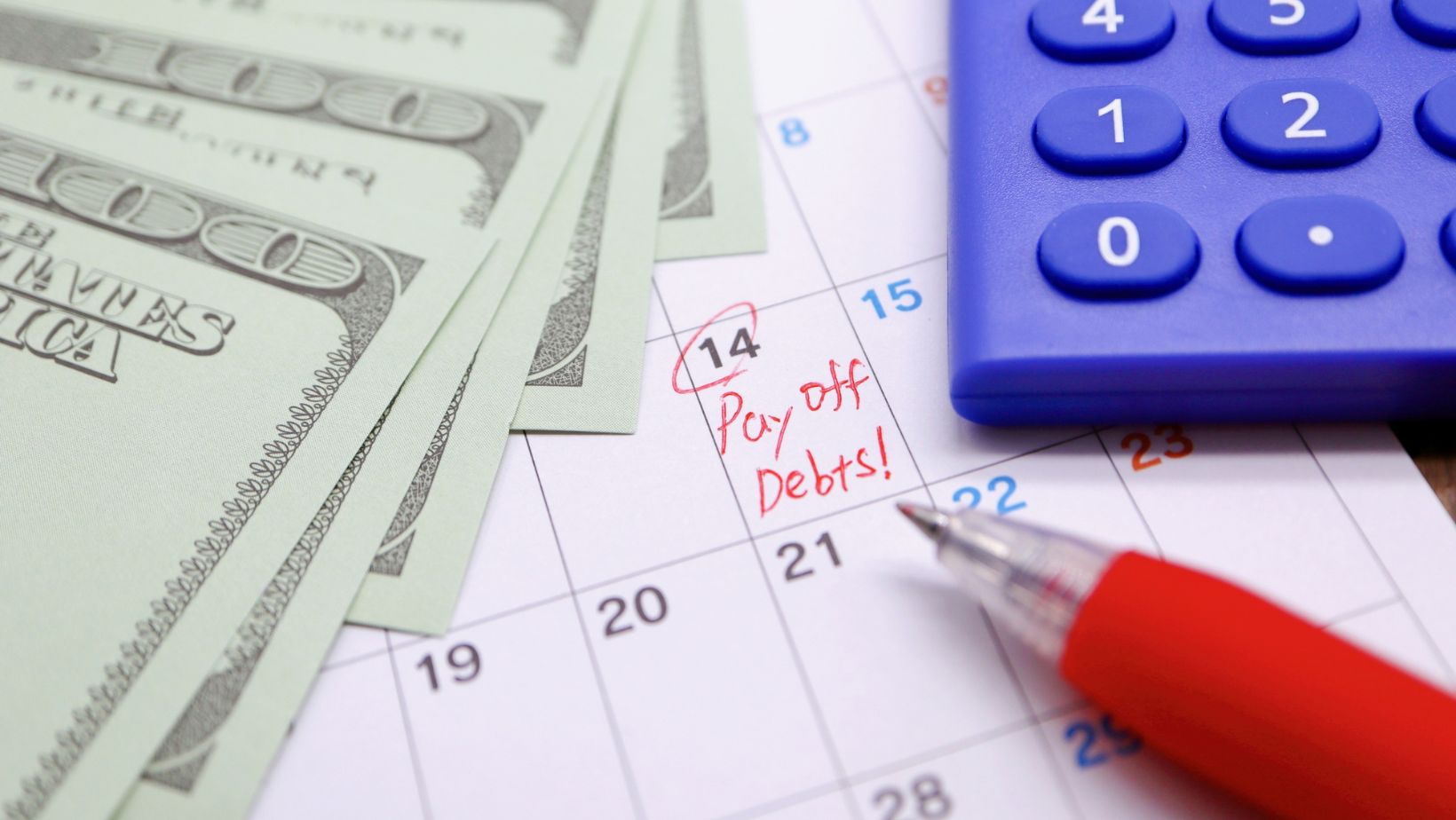
Figuring out how to pay down debt can be overwhelming at first, but building a plan that works with your budget can make everything feel more manageable. When you take time to understand where your money goes each month, commit to a repayment plan and explore options such as refinancing your car loan, you can make steady progress toward your goals.
With a little structure and patience, you may be able to tackle your debt with a little less stress.
Start by understanding your monthly spending
Before creating a repayment plan, you’ll want a clear picture of your spending habits. This step could help you see where your money goes each month and which expenses you can trim or adjust.
Begin by writing down every bill, recurring charge or expense you expect each month. Include essentials such as rent, groceries, transportation and childcare, plus flexible expenses like dining out or entertainment. Once you lay everything out, you might start to notice patterns — maybe you spend more on food delivery than you realized, or maybe you have unused subscriptions hiding in the background.
Next, compare your total monthly spending with your take-home income. This comparison might help you see how much you could comfortably put toward debt without stretching your budget too thin. Even small adjustments, such as cutting back on takeout once a week, might free up a little extra money to put toward debt repayment. You might also explore refinancing some of your debt as a way to lower your monthly payments. A lower payment on your car loan, for example, could make more room in your budget to tackle more urgent debts.
Explore different repayment options
Once you know what your budget looks like, you can start exploring repayment approaches that match your financial goals. Different methods might suit different personalities and situations, so think about what you need to stay motivated and committed.
One popular approach is the debt snowball method. With this strategy, you focus on paying off the smallest balance first while making minimum payments on everything else. Once the smallest balance is cleared, you shift that extra money toward the next-smallest balance. Many people find this method encouraging because it offers quick wins that build momentum.

Another option is the debt avalanche method, which focuses on the balances with the highest interest rates first. Paying those down may reduce the total amount of interest you pay. Even though it might take a bit longer to see a noticeable change with this method, it could help you achieve bigger savings as time goes on.
There are also tools that support your repayment journey, such as debt consolidation loans or credit card balance transfers. With a debt consolidation loan, you could roll multiple debt balances into one loan with one predictable payment each month, which could make it easier to track your progress. Transferring high-interest credit card debt to a new card with a low or 0% introductory APR can give you a temporary break from high interest rates so you can afford to pay down more of the principal.
Adjust your budget to stay consistent
After choosing a repayment method, the next step involves shaping your budget to support your goals. You might not need to make dramatic lifestyle changes — sometimes small but consistent adjustments could make a meaningful impact.
Start by reviewing your flexible spending. Are there a few places where you could cut back without feeling deprived? Something as simple as packing lunch instead of buying it, stretching out the time between online orders or limiting impulse purchases could help you stay on track.
If your income changes from month to month, building a cushion in your checking account might help you absorb slow periods. Even a small buffer could help you stay consistent when unexpected expenses show up.
Add strategies for staying motivated
Debt repayment is not only a money challenge — it’s also a mindset challenge. Staying motivated is just as important as choosing the right repayment method.
One helpful strategy involves breaking your repayment goals into smaller steps. Instead of thinking about the full amount you want to pay off, target milestones. Maybe it’s paying off the first $100, or closing out one account entirely. Celebrating each step can keep you committed.
Another helpful trick is scheduling your payments right after payday. When you pay toward your debt before spending on anything else, it’s easier to stick with your plan. You could also set up automatic transfers to reduce the risk of missing a payment.
It may also help to remind yourself why you’re doing this. Maybe you want more breathing room in your monthly budget, you’re hoping to save for a major purchase or you want to reduce your stress around money. Keeping your “why” front and center can help you push through discouraging moments.
A path forward that grows with you
Building a debt repayment plan that fits your budget might feel challenging at first, but by understanding your spending, exploring different repayment methods, adjusting your budget and building a strong motivation system, you can create a plan that supports your financial journey. As long as you stay patient and consistent, you could see your hard work turn into real progress — one smart choice at a time.
Notice: Information provided in this article is for information purposes only and does not necessarily reflect the views of moneysideoflife.com or its employees. Please be sure to consult your financial advisor about your financial circumstances and options. This site may receive compensation from advertisers for links to third-party websites.