

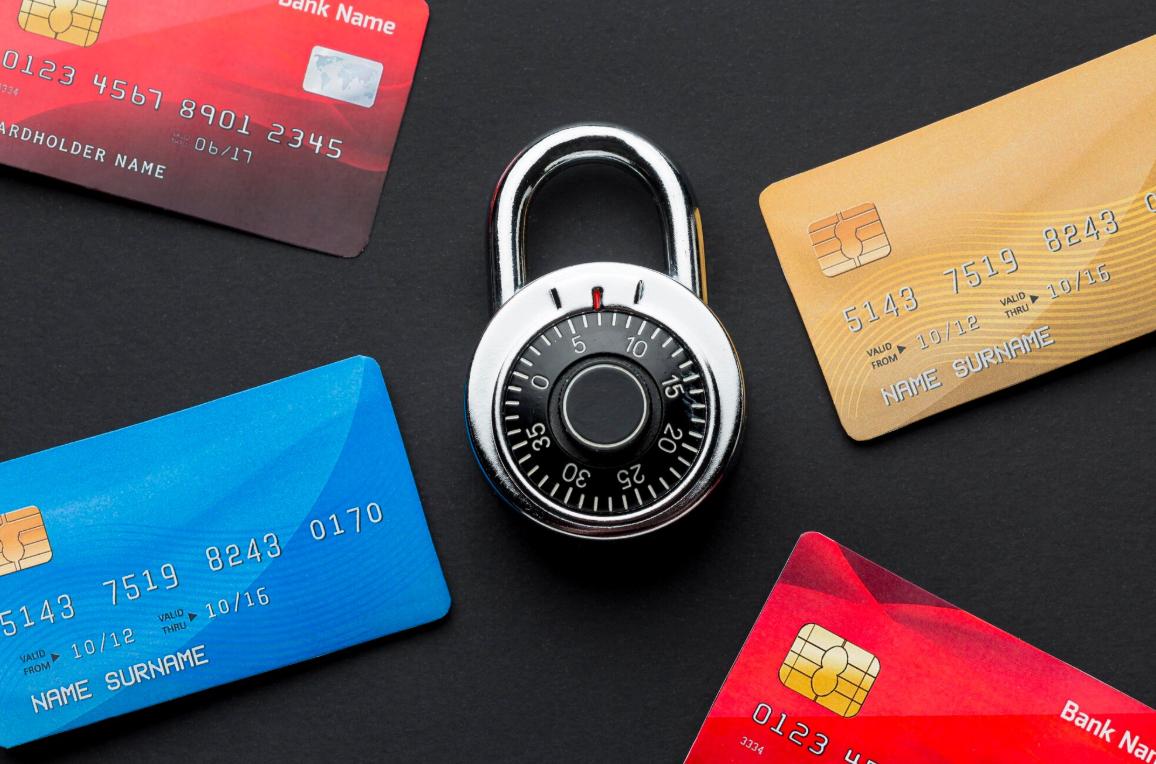
Denmark has one of the most digital payment environments in Europe. Cards, mobile apps, and instant transfers shape how people pay every day. Cash still exists, but many customers rarely use it. For businesses, this creates clear expectations. Payments should be fast, familiar, and reliable. Choosing the right solution is not about offering everything. It is about matching local habits, staying practical, and being ready when payment system in Denmark fail or demand shifts.
Key Factors for Businesses
Payment choices affect sales, trust, and daily operations. In Denmark, small details matter. Customers notice when a method is missing or feels slow. Businesses need to think about local use, costs, and backup options. A good setup supports growth without adding confusion or risk.
Understand Customer Preferences
Danish customers value speed and ease. They expect payments to work without effort or explanation. Tapping a card or using a phone feels normal. Long steps or unfamiliar flows cause hesitation.
Digital Denmark card payments dominate daily life. This includes shopping, transport, food delivery, and subscriptions. A solution that fits into this routine feels natural. One that does not quickly stands out in the wrong way.
Offer the Dominant Local Methods
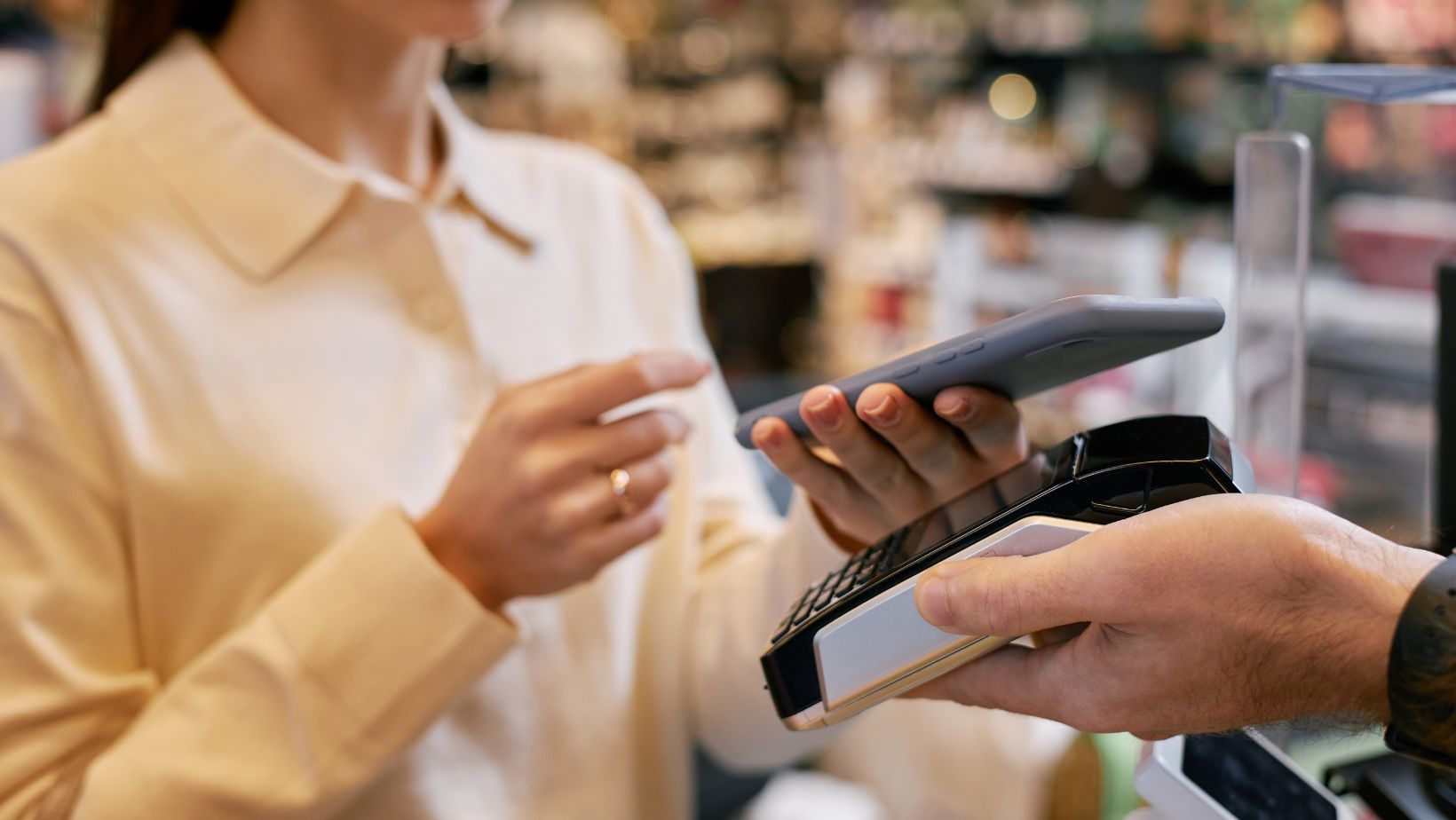
Local payment methods matter more than a wide list of global options. Customers trust what they know and use often.
Dankort remains central to payments in Denmark. It is the national debit card and works in most physical and online stores. Many cards are co-branded with Visa, but Dankort itself carries local value. For merchants, it often comes with lower transaction fees compared to international credit cards due to Danish pricing rules. Leaving it out can create friction for local customers.
MobilePay is widely used across the country. People use it to pay in shops, online, and between private individuals. For e-commerce and mobile-focused businesses, it is close to essential. Customers expect to see it at checkout. Its absence can lead to abandoned carts, even when cards are available.
Support Global Options
Denmark attracts tourists and serves many international online shoppers. Global payment options help cover these groups. Visa and Mastercard should be standard. They support visitors and customers using foreign-issued cards. They also serve Danes who rely on international cards for travel or work.
Digital wallets like Apple Pay and Google Pay are gaining ground. Many customers prefer them for speed and phone-based use. They work well in stores and online and reduce the need to enter card details.
PayPal remains popular for online purchases, especially for cross-border shopping. Some users trust it more than direct Denmark card payments and use it for buyer protection or ease of refunds. Buy Now Pay Later options, such as Klarna, attract younger customers and those making higher-value purchases. These options can increase conversion by spreading the cost over time. They suit certain sectors better than others, so use them where they fit the product and audience.
Contingency Planning
Even in a digital country, systems fail. Power cuts, network issues, or technical problems can disrupt payments. Planning for these moments protects both business and customer trust. Households often keep more than one payment card from different issuers. The same logic applies to businesses. Relying on a single channel creates risk.
It is wise to keep at least two different physical card options from separate issuers. For example, one Dankort or Visa and one Mastercard. Staff should know how to process each type.
Keeping a small amount of cash can still help. Around DKK 250 per household member is often suggested for private use. For businesses, the amount depends on size and turnover. Cash can bridge short outages when digital payment system in Denmark are down.
Mobile payments based on account transfers offer another backup. MobilePay or a mobile banking app can work when card terminals fail. These options rely on different infrastructure and add resilience.
Choose the Right Payment Service Provider (PSP)
A payment service provider sits between your business and the wider payment system in Denmark. The choice affects costs, setup effort, and how smoothly payments run each day. In Denmark, the right fit matters more than the longest feature list:
- Market fit and local presence. Common providers include Nets, Quickpay, Stripe, and Adyen. Each works well in different cases. Some are stronger in local card handling. Others suit international sales better. Taking time to compare them avoids later changes and extra work.
- Fees and payout structure. Transaction fees are important, but they should not be viewed alone. Look at how often payouts happen and how quickly funds reach your account. Slow settlements can create cash flow pressure, even with lower headline fees.
- System integration. The payment service provider in Denmark should connect easily with your current setup. Platforms like Shopify and WooCommerce need stable plugins and clear documentation. Simple integration reduces errors and limits the need for technical fixes later.
- Support and reliability. Problems happen. When they do, support quality matters. Fast responses and clear answers limit downtime. For some businesses, local language support or regional teams can make a real difference.
- Compliance and security. The payment service provider in Denmark must meet regulatory requirements such as PSD2 and support tools like 3D Secure. These checks protect customers and reduce disputes. Strong security also lowers the risk of payment blocks or account reviews.
A good PSP supports your business quietly in the background. When chosen well, it removes friction instead of adding it.
Prepare for Disruptions
Technology works until it does not. Staff need clear guidance for payment failures. Have simple instructions ready. Staff should know how to handle offline card payments if available, how to accept cash correctly, and when to pause sales if needed.
Training should be practical, not complex. Short drills or written steps help staff act calmly during issues. This keeps queues short and customers informed. Communication matters during disruptions. Clear signs or short explanations reduce frustration. Most customers understand delays when they are explained plainly.
Choosing the right payment solution in Denmark is about fit, not excess. Focus on what customers use daily. Cover local standards first, then add global options where they make sense. Plan for failure, even in a strong digital payment system in Denmark. Work with providers that support your business, not just your checkout. A steady, well-thought-out setup builds trust and keeps payments running when it matters most.