

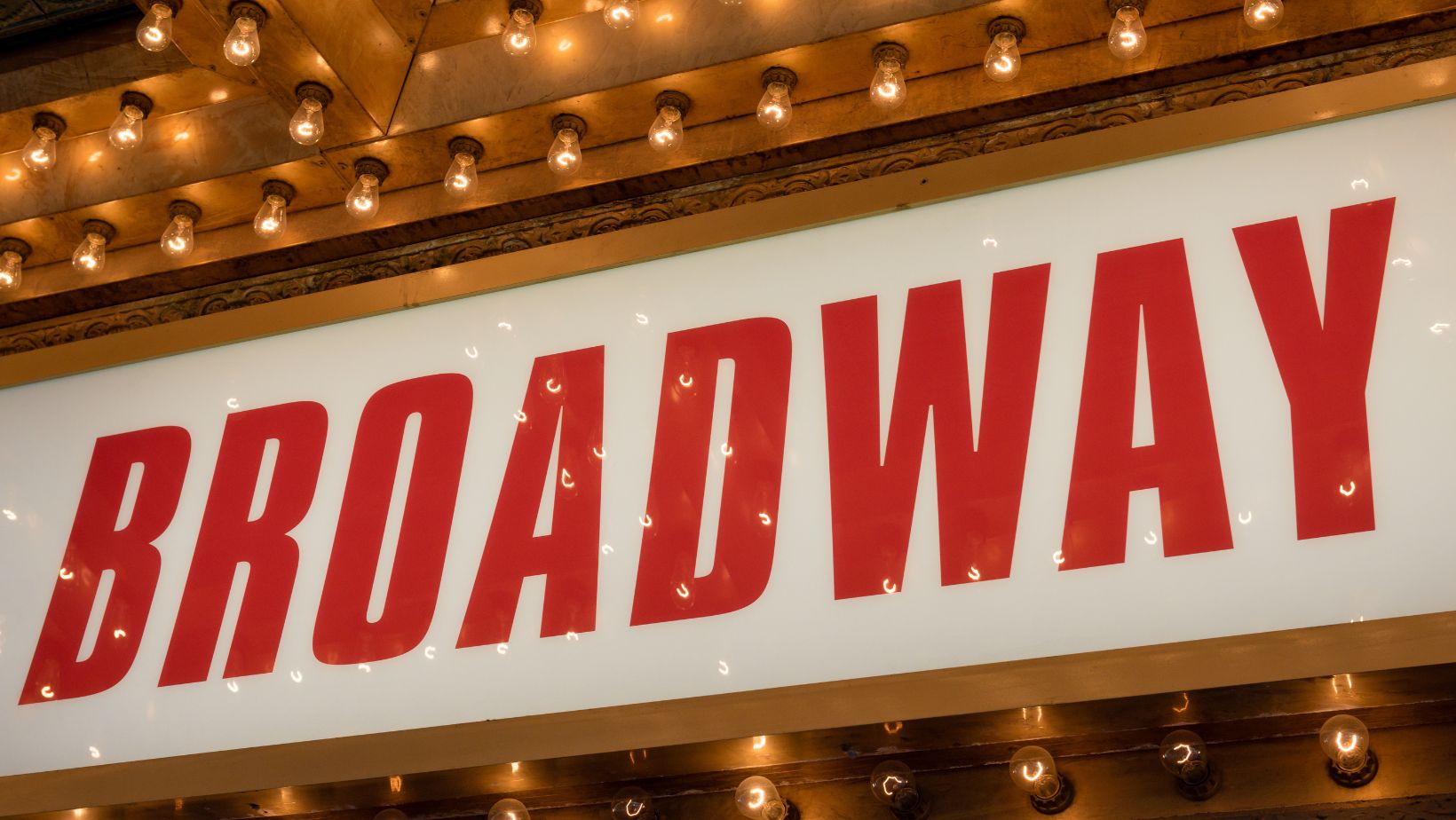
The final bow no longer signals the end of a Broadway night. Around Times Square, productions are increasingly shaping what happens next, nudging audiences to linger, share, and keep the experience alive beyond the auditorium. The shift reflects a broader understanding that theatre lives not only onstage, but in the spaces and rituals that follow.
This matters because Broadway now competes with an attention economy that resumes the moment the house lights rise. Phones come out. Group chats light up. What happens in the next fifteen minutes often determines whether the night becomes a memory—or just another scroll.
Theatre Nights Extending Past Stage
Inside theatres, lobbies have quietly become stages of their own. Post-show installations, cast playlists, and curated merchandise displays turn exits into moments worth pausing for. Some productions experiment with late-night talks or informal lounges, creating a softer landing after emotionally dense performances.
Outside, the district mirrors that intent. Public art, pop-up exhibits, and synchronised spectacles like Times Square’s Midnight Moment keep audiences circulating rather than dispersing. The goal isn’t spectacle for its own sake, but continuity—maintaining a sense of narrative even after the curtain falls.
Digital Rituals After Live Performance
As audiences step back into the city, the competition is immediate and mobile-first. Younger theatre-goers, in particular, expect the experience to extend digitally, whether through shareable visuals, exclusive content, or community spaces that feel less linear than traditional theatre etiquette.
In that swirl of options, some post-show habits have little to do with theatre at all. A quick browse through a Telegram casinos list to enjoy some gambling games while Broadway’s casino is still under debate might sit alongside cast recordings and late-night food searches, illustrating how fragmented attention has become once the performance ends. For theatres, the challenge is not to police those choices, but to offer compelling reasons to stay engaged with the art a little longer.
Recent audience research shows why this pressure is mounting. The average Broadway theatregoer is now just over 40 years old, signalling a lasting demographic shift that favours participatory and flexible experiences over passive consumption.
Times Square’s Post-Show Ecosystem
The neighbourhood has responded with an ecosystem that blurs culture, wellness, and nightlife. Immersive soundscapes and sensory installations have joined the mix, positioning Times Square as a place to decompress as much as to dazzle, as seen in the launch of Times Square immersive wellness installations. These experiences reward those who stay, rather than rush for the subway.
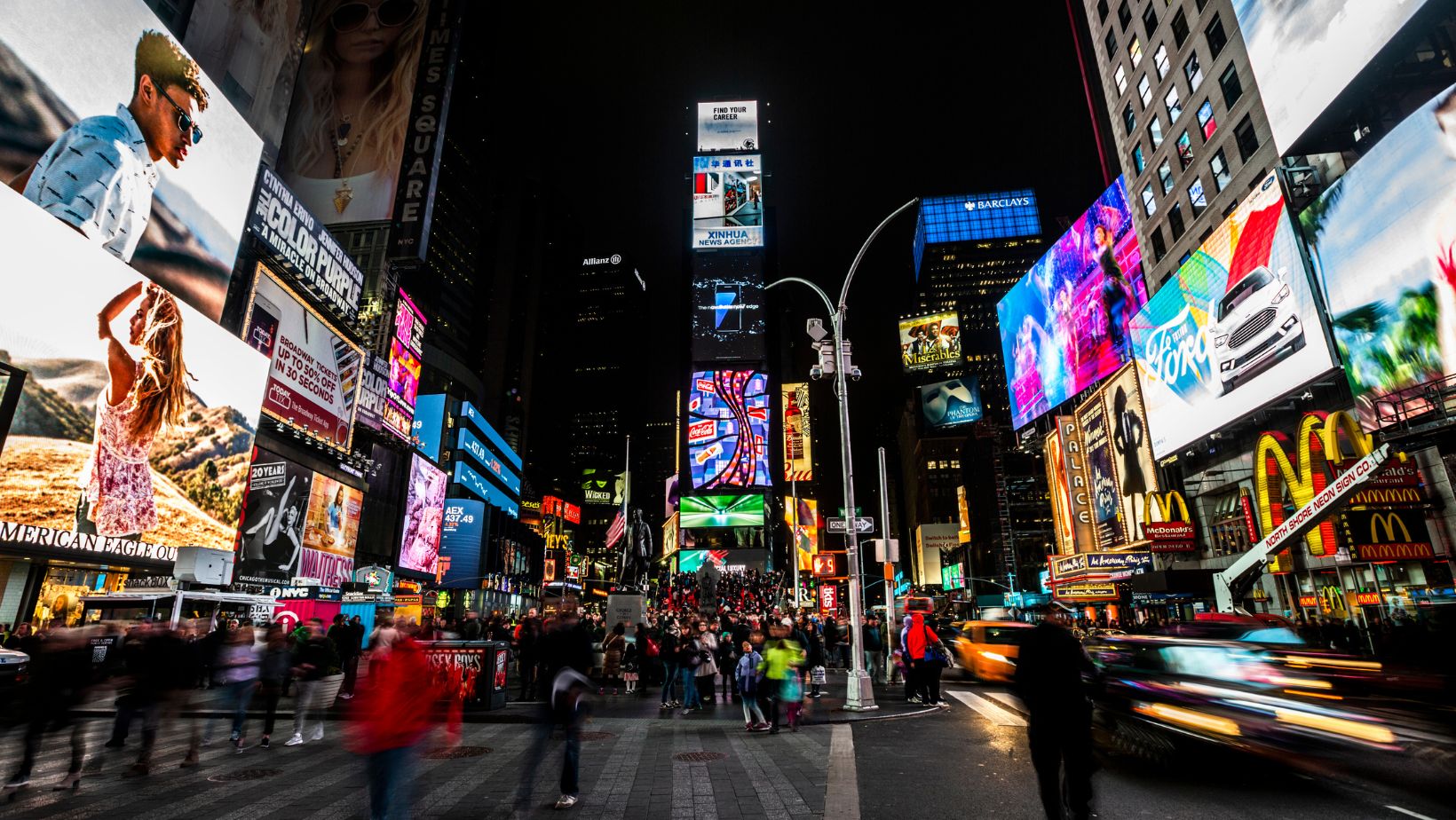
Guides now routinely frame the post-show window as prime time. Cultural publications highlight everything from midnight exhibitions to chef-driven counters, reinforcing the idea that a Broadway ticket buys access to a longer, looser night.
Balancing Art, Commerce, And Experience
None of this works if it feels purely transactional. The most successful extensions respect the integrity of the work while inviting dialogue. Structured conversations and informal meet-ups offer context without closing interpretation, a balance supported by structured post-performance engagement opportunities.
The real question is sustainability. As Broadway continues to reimagine its after-show life, the aim isn’t to keep audiences spending, but to keep them connected—to the stories they’ve just seen and to the city that frames them.