

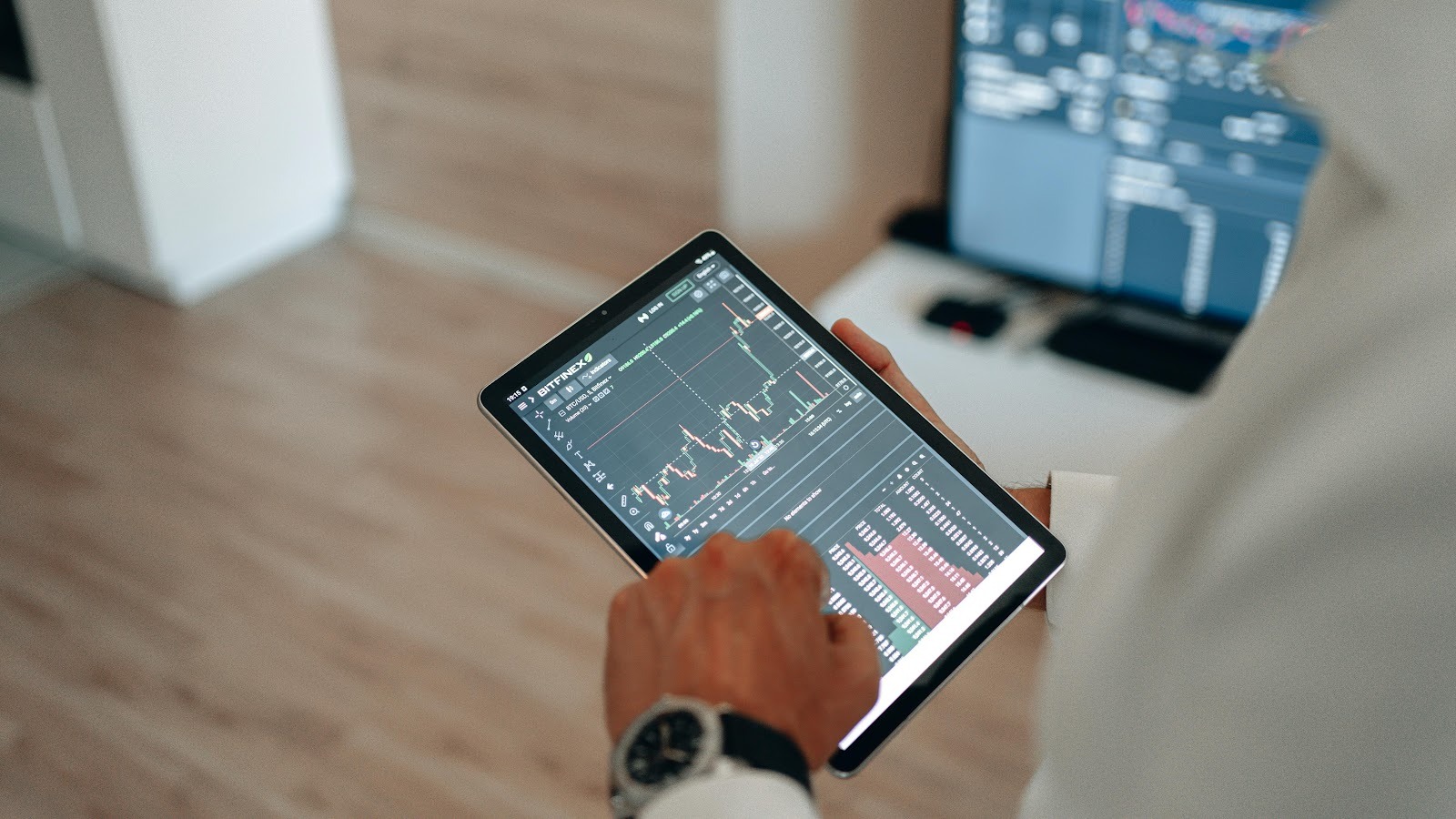
Forex automation became popular for a simple reason. Currency markets move fast, they react to layered inputs, and they punish hesitation. Human traders can build strong frameworks and read structure well, but execution quality often breaks down when volatility rises or several signals hit at once. That gap created the space for modern robot trading systems. Today’s forex robots sit on top of a technical stack built for speed, precision, and rule enforcement. Their value comes from how well they process information and how consistently they turn that information into action.
Why High-Quality Trading Technology Shapes Results
The quality of the underlying system matters far more than many traders admit. A robot can have a sound strategy on paper and still perform poorly if the infrastructure behind it introduces latency, misreads data, or handles order routing badly. In live conditions, those weaknesses show up quickly through missed entries, poor fills, and unstable risk control. That is why serious traders pay close attention to the strength of the full operating environment, not only to the signal logic.
High-grade forex robot trading technology improves how a system reacts under pressure and how it behaves when market conditions shift. It supports cleaner data ingestion and tighter execution discipline. It also helps maintain continuity when spreads widen or price action becomes fragmented. In broader market terms, stronger automation raises the standard for how participants engage with liquidity. More traders now expect immediate response times and more stable performance, which has pushed platform providers and technology vendors to refine their own systems as well. That feedback loop matters because strategy quality and technical quality now influence each other directly.
Data Feeds: The First Layer of Every Forex Robot
Every trading robot begins with market data. Without clean incoming data, even a well-designed model becomes unreliable. Modern systems pull from price feeds, tick streams, depth information, and in some cases event-driven inputs tied to macro releases or session behavior. The robot’s job starts long before order execution. It must first decide what information is relevant and how that information should be normalized.
This is where data engineering plays a central role. Raw market feeds often contain noise, short-lived spikes, or inconsistencies between brokers and liquidity sources. Advanced robots filter those distortions before they trigger decisions. Some systems smooth certain inputs, while others preserve raw data because the strategy depends on micro-movements in price. The decision depends on the trading style. A scalping engine needs one kind of sensitivity. A swing model needs another. What matters is that the robot receives a consistent stream it can trust.
Experienced traders know this already from manual trading. A chart only looks simple on the screen. Behind it sits a stream of constantly updating values that must be interpreted correctly. Robots turn that challenge into code.
Algorithm Design: Turning Market Logic Into Machine Decisions
The algorithm is the brain of the system, but it is better understood as a decision framework than a single formula. Modern forex robots usually combine several layers of logic. One layer identifies setup conditions. Another validates context. A third decides whether market conditions justify execution. That structure makes the system more selective, and selectivity often matters more than raw activity.
Some models focus on momentum continuation. Others look for mean reversion after an exaggerated move. More advanced systems may use adaptive logic that changes thresholds based on volatility or session characteristics. In practical terms, that means the robot stops treating every market hour the same way. A ranging Asian session and a volatile overlap period require different tolerances.
Common algorithm layers often include:
- signal detection based on price structure or statistical behavior
- filters tied to spread conditions, volatility, or trading hours
- execution rules that define entry timing and order type
The strongest robots also account for market friction. They factor in slippage, spread expansion, and execution delay before placing a trade. This is a major dividing line between demo-friendly robots and live-ready systems. A strategy that ignores friction may look clean in testing, but real trading exposes that weakness very quickly.
Execution Infrastructure and Risk Control
Execution is where theory meets the market. A robot can identify the perfect setup and still lose its edge if the trade reaches the market too late. That is why modern systems rely on low-latency architecture, broker integration, and order management logic designed for real conditions. In many cases, the robot must decide between market orders, limit orders, or staggered entries based on available liquidity and expected price movement.
Risk management sits inside that same infrastructure. It is not an optional add-on. High-quality robots calculate position size dynamically and adjust exposure based on volatility or account conditions. Some reduce size after a drawdown period. Others disable specific strategies when execution quality drops beyond an acceptable threshold. This kind of internal governance matters because many losses in automation come from poor control logic rather than poor entries.
A robust system usually manages risk on more than one level:
- trade-level protection through stops, sizing rules, and time-based exits
- portfolio-level control through exposure caps and strategy allocation limits
This is where modern systems show their maturity. They do more than search for entries. They manage operational risk while the market is moving.