


Something shifted on campus over the last few years, and it crept in through smaller changes. Lecture recordings, remote logins there, or a few cloud apps stitched into everyday workflows: suddenly, the entire system had to stretch.
Hybrid learning added a digital layer,yes, but it also exposed how limited older setups were built for predictable, in-person usage. They now had to handle scattered access, uneven demand, and constant uptime expectations, a gap where most higher education infrastructure use cases start becoming very relevant talking points.
To be honest, most institutions are still figuring it out as they go, while some are doing it better than others.
The Reality Campuses Are Dealing With
There is no single pattern anymore, which is both a problem and an opportunity. For instance, a student could be attending a lecture physically, joining the next class online, and also running a high-performance application from a basic laptop later the same day.
From an infrastructure standpoint, that is messy; demand is inconsistent, making resource allocation unpredictable. Older models were not designed for this kind of fluid usage. Earlier, such hardware was present in fixed locations with capacity planning based on assumptions that are now outdated.
So, the shift toward server virtualization software feels like a kind of course correction, rather than simply innovation. Instead of locking compute and storage into physical machines, universities are starting to treat them as shared resources, to be allocated when needed and reassigned when things change.
Virtual Labs Without the Old Constraints
There was always a bottleneck with specialized labs: limited machines, fixed schedules, and sometimes even outdated hardware.
This was often because of upgrades that were expensive and hard to roll out.
That model is slowly fading, and with virtualization in place, the heavy software sits in the backend for students to access it remotely. It does not matter if they are in a lab or sitting at home; what matters is the connection and the system behind it. This is one of the more grounded higher education infrastructure use cases right now.
There is also a subtle shift in expectations, where students start assuming access should be instant, an expectation that, once it sets in, there is no going back.
How do virtual labs actually improve accessibility?
Sangfor enables universities to deliver consistent virtual lab environments that students can access from anywhere. This removes dependency on physical labs and allows equal access to high-end tools without additional hardware investment.
Understanding What Sits at the Core
A term that gets thrown around a lot in these conversations is hypervisor, which sounds technical, with most people not digging deeper.
But, if you pause and ask “what is hypervisor,” it is simply the layer that lets multiple virtual systems run on one physical machine. Each machine thinks it has its own dedicated space, even though everything is shared underneath.
That segregation matters, as one system does not take the rest down with it in the event of a crash. In fact, for a university running dozens of services at once, that stability is paramount.
Sangfor uses hypervisor-based environments to keep things running smoothly even when usage patterns get chaotic.
Why does hypervisor stability matter in hybrid learning?
Sangfor uses hypervisor-driven infrastructure to isolate workloads and maintain system stability, ensuring that disruptions in one area do not impact critical academic applications or live sessions.
Scaling Without Guesswork
Scaling used to come with a lot of uncertainty, where overestimating meant money wasted on unused hardware, and underestimating led to slower systems. With more flexible scaling today, it is less tied to physical expansion and more to resource management.
Sangfor’s hyperconverged approach brings compute, storage, and networking into one system, reducing the number of moving parts. As demand grows, adjustments are made without starting from zero.
Security Is No Longer Separate
Hybrid setups stretch access points, where devices join from outside campus networks. Here, connections may vary, and control may be harder to achieve.
Traditional security models start to feel outdated in such an environment, as adding layers on top does not scale well today. Security has to be part of the infrastructure itself and active all the time.
Sangfor integrates security into its systems rather than treating it as an external addition, keeping environments flexible without leaving obvious gaps.
What Users Are Saying After Implementation
There is always skepticism around vendor claims, and fairly so; real-world feedback tends to cut through that.
Date: May 14, 2026
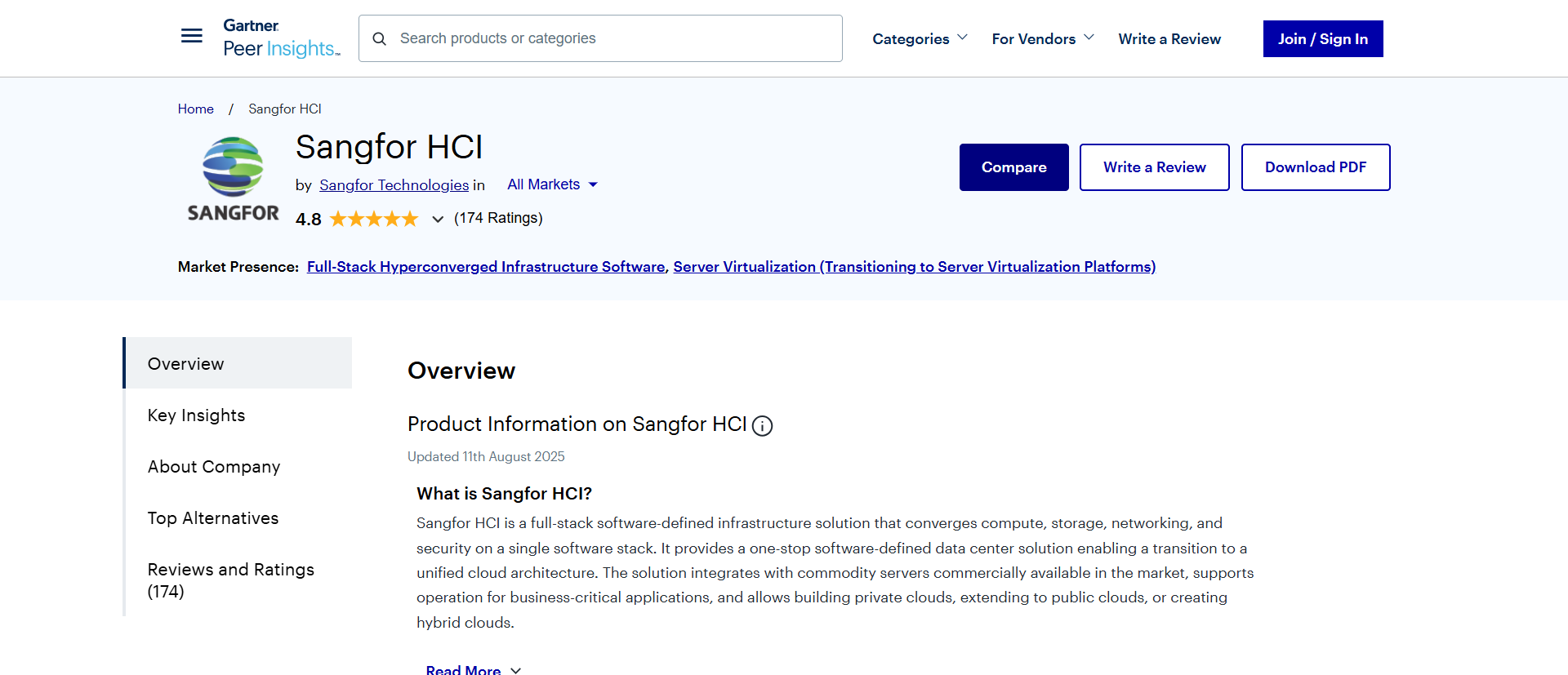
On G2, Sangfor solutions sit at roughly 4.7 out of 5, with users highlighting improvements in managing modern data center environments. Gartner reports a similar sentiment, with a rating of 4.8 out of 5.
A Glimpse from the Real World
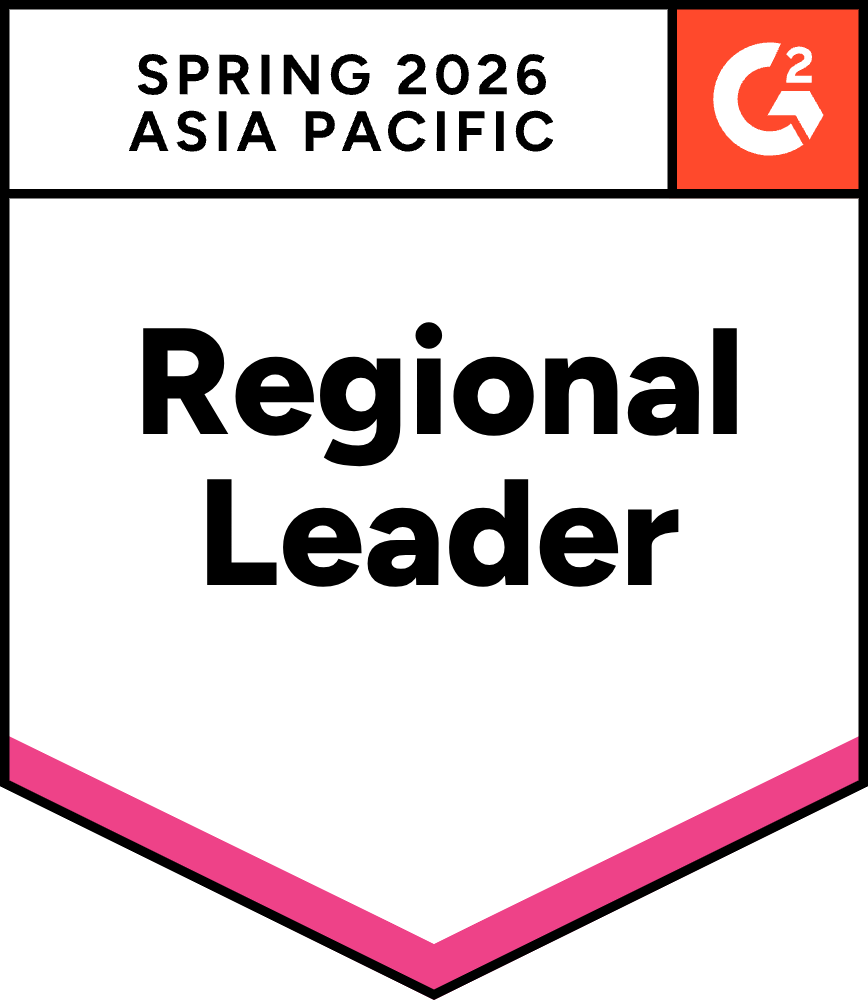
Sangfor was recently recognized as a Leader across key infrastructure categories on G2, including hyperconverged infrastructure and Server Virtualization Software, based on verified user feedback.
When Infrastructure Does Its Job Right
Most people on campus never think about infrastructure, such as if classes run on time, if systems respond quickly, or if access feels seamless. If they do, then everything is working as intended. That is the end goal behind most higher education infrastructure use cases: removing friction from everyday academic work. Although IT teams notice the difference first, everyone else benefits.
Looking Forward Without Overhyping It
The current times, especially since the Covid era, with communications advancements and evolving academic needs, make it so that hybrid learning is embedded in how education works. Therefore, instead of asking whether to adapt, you must ask how well adaptation is handled.
Infrastructure plays a bigger role here than it gets credit for, as systems that can adjust over time tend to outlast those built for fixed conditions. To that end, Sangfor positions itself to focus on flexibility and integration. Although not a perfect solution, the system is designed to evolve alongside university needs.
Why do institutions rely on Sangfor for long-term infrastructure strategy?
Sangfor provides scalable and integrated solutions that adapt to evolving hybrid learning demands. This helps universities maintain stable, secure, and efficient environments over time.