
By having an accurate credit report, one is considered financially healthy. The credit report determines how much you are going to get in loan provision, credit cards, and even the rental contracts. Any errors in your report may result in a rise of interest rates or even a credit denial. The knowledge on how to find and challenge such fallacies gives you the ability to shield your credit rating and financial well-being. Some of the errors that can be made are the wrong personal data, old accounts, as well as wrong reporting of the balances and payments. These mistakes may be due to clerical errors or identity theft, or may be due to a breakdown in communication between lenders and credit bureaus. It is a good idea to be proactive and keep reporting on yourself to spot areas where you have gone wrong before they affect your creditworthiness.
Learning the Mistakes of Common Credit Report
There are various types of mistakes that could be encountered in credit reports and they will influence your credit score. Among the usual errors are wrong personal information which may include misspell of name, wrong address and wrong Social security number. These omissions may result in your report showing debts or activities which are not yours. As well, non-accounts, which are not yours, can be listed, usually due to identity theft or the confusion of accounts by consumers with comparable information.
The other common mistake is wrong account details such as wrong balances, payment delays or closed accounts being reported as open. In other cases, the payments that could have been completed on time are registered as late and this can really decrease your credit rating. There are also chances that you might have old negative information that may not disappear off your report as per the law. Such pitfalls are some of the first steps towards making sure that your credit report is a reflection of your financial history.
Looking into Your Credit Report
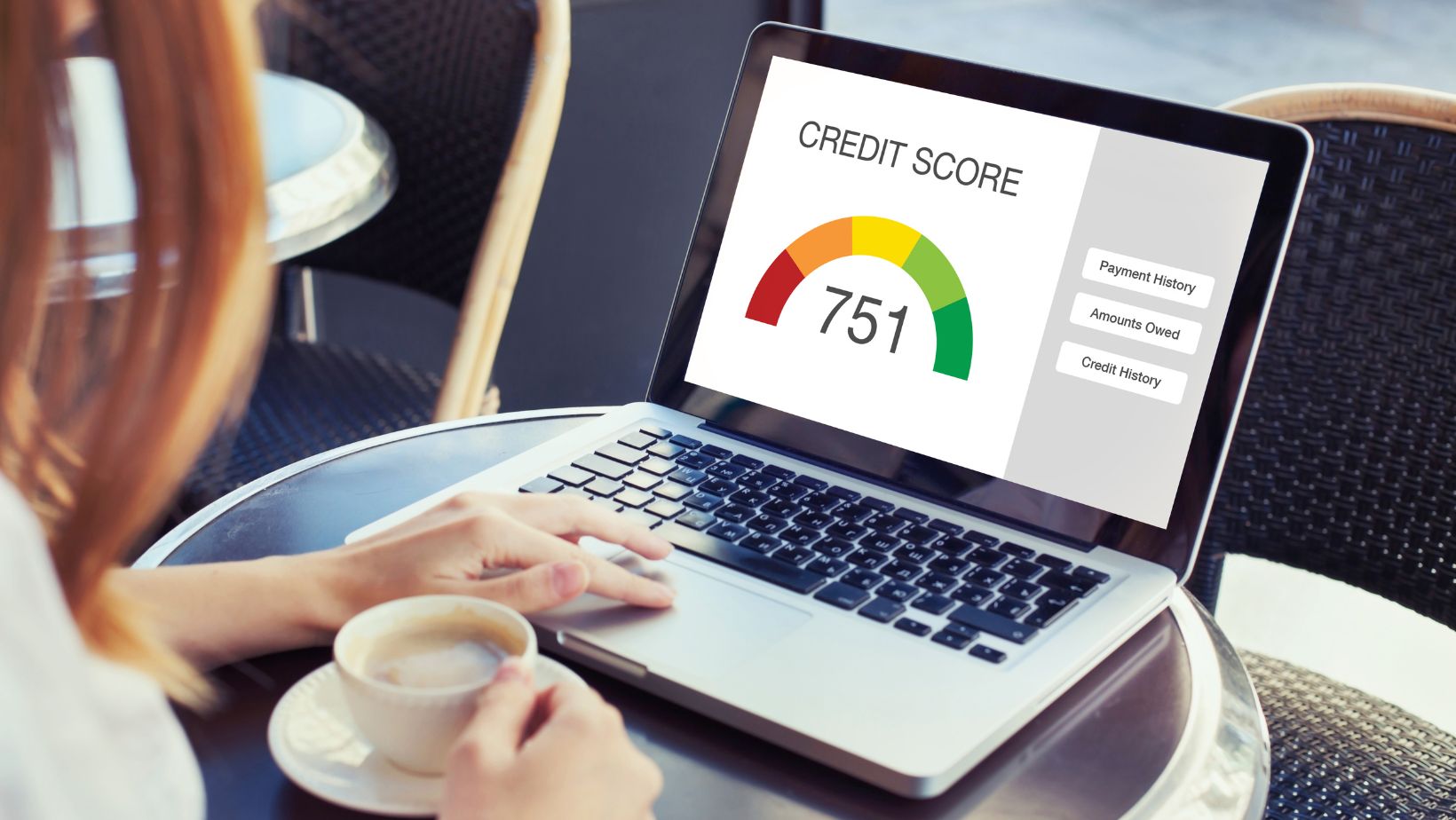
It is always necessary to get a copy of your credit report in all the major credit bureaus to discover the errors. You are entitled to at least one free report per year in every bureau in most countries. Inconsistencies may be identified by carefully reading every part of the report including personal, credit account and public records. The comparison of the information and your own financial records will help to identify discrepancies.
Be careful when verifying your report to be sure of the details of each account. Check account number, balances and payment history. Make sure that closed accounts are reported properly and all the debt settled is reported properly. When claiming about a mistake, it is easier to prove with the help of documentation, including bank statements and payment receipts. When one is careful during this review process, the possibility of correcting the mistakes is high.
Appealing to the Errors Bureaus
In case you notice a mistake, then you are required to directly contact the credit bureau and reach out to them to have a dispute. Present good documentation to prove your assertion, such as statements or letters of creditors, or any other records. You should submit your dispute through mail, internet submissions or in a letter so that you are sure that you have a record of what you are requesting. Disputes must also be investigated by credit bureaus, typically over a given period of time.
After investigating by the bureau, they will then approach the creditor who provided the information and check whether the account is accurate or not. In case the error is proved, the bureau has to rectify or eliminate the erroneous information. A copy of the revised report will be provided to you. In case the bureau is not satisfied with your disagreement, you can either appeal the ruling or include a statement on your side. It is also possible to seek advice of a licensed insolvency trustee Victoria in case of any errors with respect to the previous insolvency or debt administration proceedings to ensure your report shows the correct information.

Having an Accurate Credit Report
Once you have fixed mistakes, you should keep on checking your credit report. Regular checks allow avoiding cases when future mistakes will not be identified and be able to act promptly in case of inaccuracies. Reminding yourself to review your report at least once a year or following major financial occurrences is a useful trick to keep your report up to date.
Maintaining a comprehensive record of all your financial dealings also helps in strengthening your credit statement. Keeping record of payments, amendments in your accounts and communication with creditors so that you have a record to prove in case of any future dispute. With a clear mind, you are likely to maintain your credit status and have an excellent financial profile that would enable you to make better decisions and handle debt effectively.