

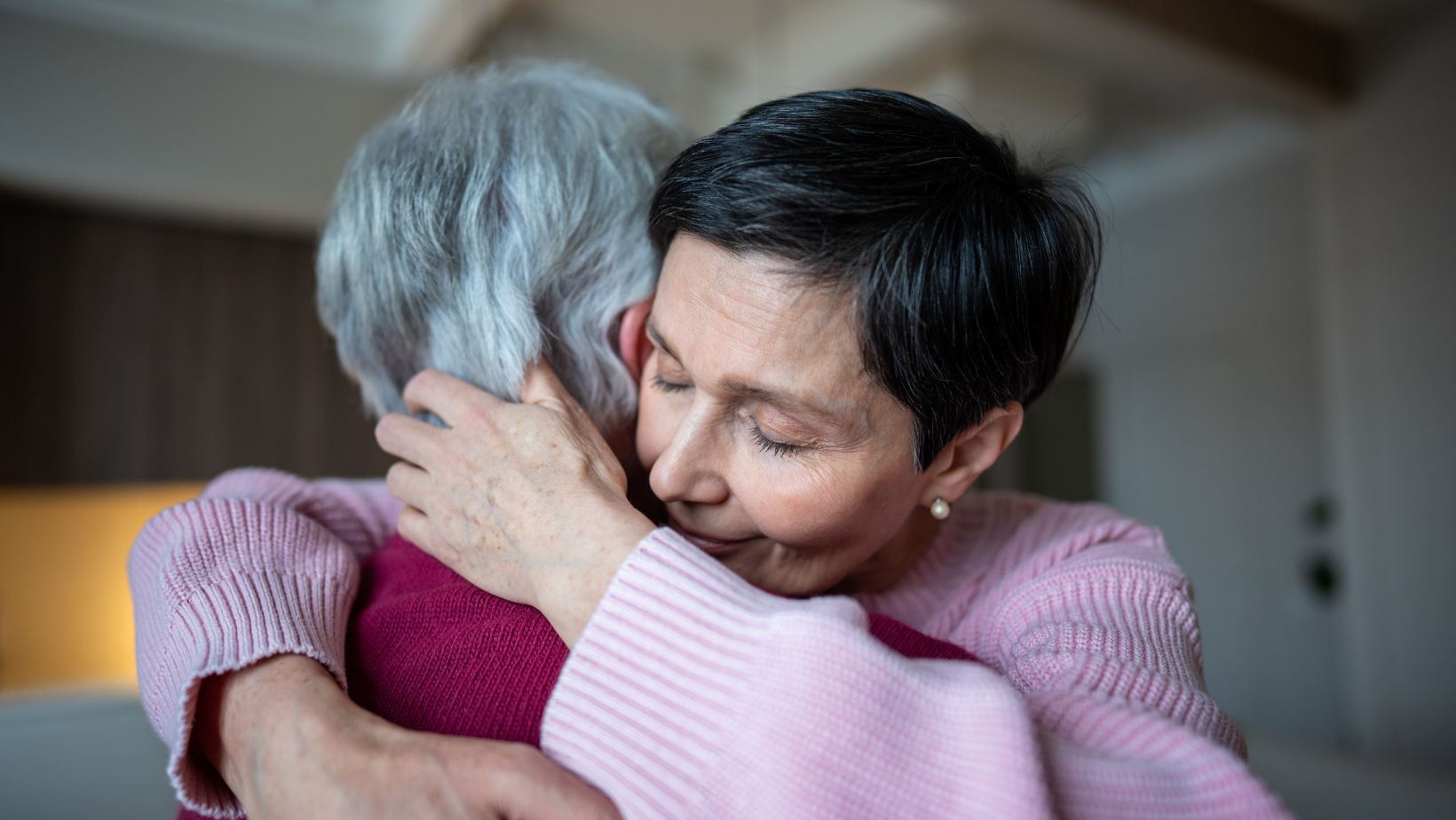
Alzheimer’s disease unfurls profound impacts on the lives of both patients and their caregivers, particularly during its final stage. At this juncture, caregivers often shoulder a heavy emotional and physical toll as they navigate the complexities of providing end-of-life care. Studies show that caregivers of people in the Alzheimer final stage may experience higher levels of stress and fatigue.
This article delineates the intricacies of caring for a loved one with Alzheimer’s in its latter stages, offering a comprehensive look at the emotional burdens, communication techniques, and medical management involved. Below, we explore actionable strategies designed to support caregivers in this emotionally charged journey.
Navigating Emotional and Physical Challenges in Late-Stage Alzheimer’s Care

As Alzheimer’s disease progresses to its late stage, caregivers are often confronted with intense emotional strain coupled with physical demands. The responsibility of providing round-the-clock care can lead to caregiver burnout, characterized by exhaustion and increased stress levels. A 2020 report highlighted that up to 40% of Alzheimer’s caregivers experience depression or emotional distress.
Physical demands, such as assisting with mobility and personal care, exacerbate the stress, especially without appropriate support systems in place. With declining cognitive and physical function, the person with Alzheimer’s may become increasingly reliant on their caregiver for daily tasks—ranging from feeding to managing incontinence—which can be physically taxing.
To alleviate these challenges, caregivers should seek support from healthcare professionals, community resources, and respite care services. Implementing a balanced routine with adequate breaks can help manage the physical demands, and joining support groups can provide emotional relief and shared experiences with others in similar situations.
Effective Communication Strategies for Advanced Alzheimer’s
Communication becomes a significant hurdle in advanced Alzheimer’s as cognitive abilities diminish. Verbal communication may deteriorate, making it difficult for caregivers to understand the needs and wants of their loved one. This can be frustrating for both parties and may exacerbate feelings of isolation for the patient.
To bridge the communication gap, caregivers can employ non-verbal cues such as touch, facial expressions, and tone of voice. Research indicates that Alzheimer’s patients retain the ability to respond to emotional and sensory stimuli even as verbal capacities decline. Thus, these non-verbal approaches can be quite effective.
Moreover, it is recommended that caregivers maintain a calm and soothing environment, using simple and direct language if verbal communication is attempted. Creating a communication-friendly setting, with reduced distractions and patient engagement in familiar activities, can also foster a sense of connection and purpose for the individual with Alzheimer’s.
Managing Medical Needs and Comfort Care
In the final stage of Alzheimer’s, medical complications frequently arise, necessitating diligent attention to the individual’s comfort and medical care. The goal shifts from long-term management to palliative care, focusing on quality of life and symptom management. Common concerns include managing pain, nutritional needs, and preventing bedsores.
Professional healthcare providers can offer guidance on creating a tailored care plan that addresses these medical concerns. Nutritional support, for instance, may involve working with a dietitian to ensure adequate caloric intake and hydration, while a physical therapist can advise on proper positioning to avoid pressure ulcers.
Utilizing hospice services can be particularly beneficial during this time, as they provide specialized end-of-life care to address physical, emotional, and spiritual needs. They can instruct caregivers on techniques for managing symptoms and offer additional layers of support to both the patient and family members.
Supporting Family and Caregivers During End-of-Life Transition

The end-of-life transition is an extraordinarily challenging time for both the family of the Alzheimer’s patient and the caregivers. The emotional labor inherent in preparing for a loved one’s passing while providing compassionate care cannot be understated. Practical support and clear communication within the family unit are critical during this time.
It’s helpful for families to discuss expectations, assign caregiving roles, and consider the emotional needs of each member, including discussing feelings of grief and loss. Professional counseling or family therapy can offer a structured space for these conversations and for processing complex emotions connected to the patient’s decline and eventual passing.
Beyond psychological support, legal and financial planning for end-of-life care should be addressed proactively. This ensures that the patient’s wishes are honored, relieving some of the decision-making burdens from family members and caregivers during an already stressful time.
Ultimately, caring for a loved one in the final stage of Alzheimer’s presents multifaceted challenges that necessitate compassionate approaches and strong support networks. By implementing effective communication strategies, managing medical and comfort needs vigilantly, and fostering strong support for caregivers and family members, the burden of this profound responsibility can be lightened. These strategies not only enhance the quality of care but also honor the dignity and life of the individual with Alzheimer’s during their most vulnerable time.