

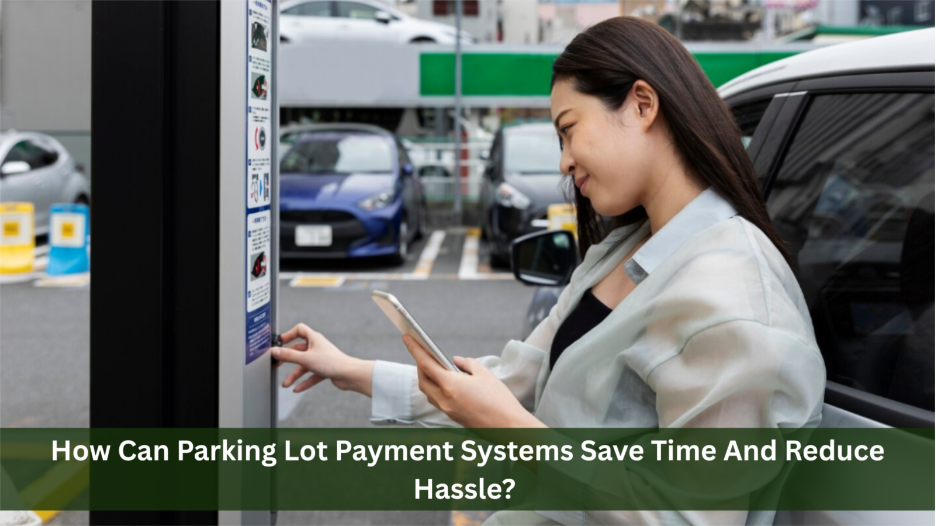
Parking at busy places can easily become a frustrating affair, particularly when the payment systems slow everything down. Queues at the payment counter, cash deposit restrictions, and unclear guidelines can easily consume your time.
To make matters worse, technical malfunctions or inability to pay on time can cause needless stress at times when you are rushing. With the expansion of cities and the rise in parking demands, these small inefficiencies start to add up, and they impact everyday routine.
Nevertheless, the modern payment technology is transforming this experience, making parking quicker, smoother, and more reliable. Digital solutions make it possible to make transactions in seconds, skip queues, and pay easily. In addition to making the process easier for the drivers, these systems streamline operations on the part of the parking operators.
This article discusses how smarter parking payment systems can save time and minimize hassle practically and measurably.
1. Faster Transactions at Entry and Exit

Modern parking lot payment systems enable you to complete the transaction within a short time without the use of cash or manual processing. You do not have to wait in line or find coins; just tap your card, use a mobile wallet, or scan a QR code to pay in seconds.
This shift decreases congestion at the entry and exit points, particularly during peak hours. Consequently, there is an increase in traffic flow and a reduction in the number of delays. Moreover, contactless payments reduce the time of interaction, which also accelerates the whole process.
Stored payment options are also fast and enable repeat transactions to become even faster for the frequent user. This efficiency saves a lot of time spent on parking activities.
2. Multiple Payment Options for Greater Convenience
When payment methods are limited, this leads to unnecessary friction, particularly when you lack the necessary method. Contemporary systems address this issue by accepting many different methods of payment, such as credit cards, debit cards, mobile wallets, and QR-based payment.
Due to this flexibility, you may select the alternative that fits you best at any given time. This saves time from having to carry cash or being concerned with the exact change.
Additionally, these systems tend to accept local and foreign payment systems, which is especially useful in busy places or tourist destinations. Consequently, the general parking experience is smoother and more accessible to all.
3. Reduced Dependence on Cash Handling
Cash-based systems are not only slow but also subject to error and delays. Time can be wasted when counting money, handling change, and solving disagreements. On the contrary, a digital payment system does not require such processes.
With the help of this, transactions are processed more quickly and with more precision, as the necessity to use cash is minimized. Simultaneously, the probability of machine jamming or loss of payments is much less.
In terms of operation, reduced cash handling also entails fewer maintenance needs and lower instances of theft or loss. This leaves the users and the operators with a more assured and hassle-free system.
4. Remote Management and Real-Time Monitoring
The modern parking systems are not based on processing payment only, but offer high-tech management tools as well. These tools enable operators to track machines, trace transactions, and get real-time alerts.
Due to this, the problem can be detected and solved within a short period without having to wait for on-site intervention. In your case, as a user, this translates to less disruption and stability in service.
Moreover, real-time data can be used to optimize parking space and price policy. This makes sure that spaces get utilized effectively and consequently saves time that you would have to spend searching for parking.
5. Seamless Integration with Smart Infrastructure

Due to the increased connection of urban environments, parking systems are being incorporated into widespread smarter infrastructure. These consist of automated barriers, license plate recognition, and mobile application connectivity.
Through these integrations, your parking experience is made more convenient from start to end. An example of this is that entry and exit can be automated without manual entry, which saves time and minimizes bottlenecks.
Moreover, integration with navigation applications may help get you to the available places without unnecessary driving and misunderstandings. This not only saves time but also saves fuel and stress.
6. Improved User Experience Through Simplicity
The ease with which the payment process is conducted is vital to a smooth parking experience. Modern systems are structured in an easy way, so that you are likely to complete transactions in a short time without confusion. Clear guidelines, receptive interfaces, and logical steps make the system easy for all users.
Even if it is your first time using the system, the intuitive nature of the design guides you to complete every step with confidence. Such features as multilingual support and guided prompts further minimize the possibility of error or delay.
Moreover, consistent user interfaces across different locations create familiarity. This means you spend less time figuring out how things work and more time focusing on your destination. In the long run, this simplicity plays a major role in reducing stress and making parking a hassle-free experience.
7. Support for Future Mobility Needs
Parking systems are evolving alongside changes in transportation, which makes them more relevant and efficient for modern users. As electric vehicles and shared mobility services become more common, payment systems are adapting to support these new requirements. This ensures that your parking experience remains smooth, even as mobility trends shift.
For example, many systems now allow you to pay for parking and EV charging within a single transaction. This removes the need to switch between different platforms, saving both time and effort during your visit.
At the same time, these systems are designed to scale with future innovations. This means they can accommodate new technologies without disrupting existing processes. In the long run, this adaptability helps create a more efficient and hassle-free experience, ensuring that parking keeps pace with the way you travel.
Conclusion
Efficient parking is no longer just about finding a space; it is about completing the entire process quickly and without frustration. Modern payment systems address common pain points by reducing wait times, offering flexible payment options, and simplifying user interactions. As a result, both drivers and operators experience smoother and more reliable operations.
By integrating digital payments, real-time monitoring, and smart infrastructure, these systems transform parking into a streamlined experience. Over time, the time saved and hassle avoided can make a noticeable difference in daily routines. Adopting such solutions is a practical step toward more efficient and user-friendly urban mobility.