

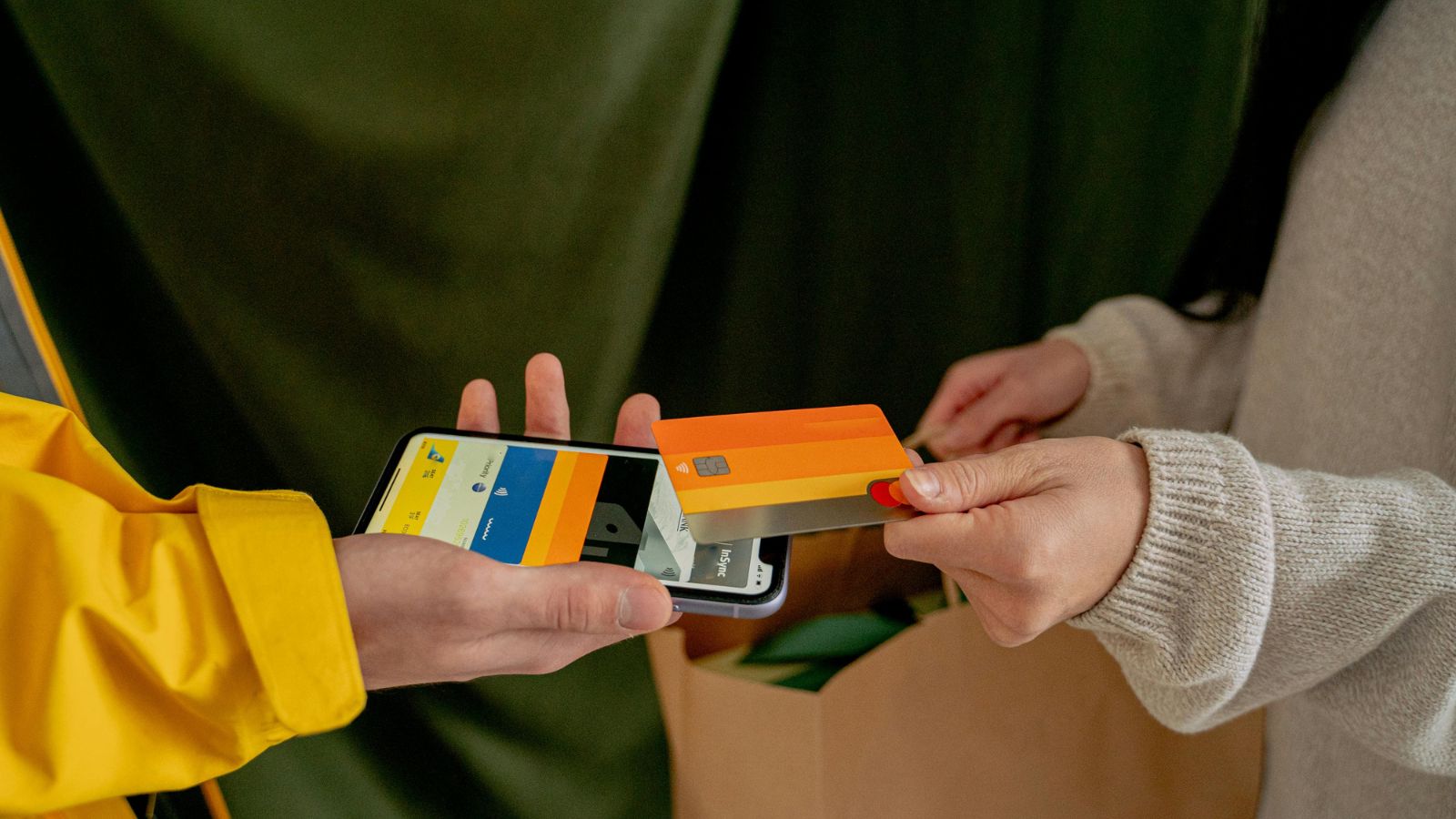
Canadians are spending their money differently from the way they used to. And this change is happening very quickly. Over the past few years, digital wallets have gone from being a convenient alternative to becoming a central part of everyday transactions. They may have started as a tool for quick mobile payments, but they are now changing how people manage budgets, interact with online platforms and even think about money itself.
A shift toward convenience and control
Digital wallets like PayPal, Apple Pay and Google Pay have gained traction because they simplify the payment process. Instead of entering card details repeatedly, users can complete transactions in seconds. But convenience is only part of the story. Globally, digital wallets now account for around 56% of all e-commerce transaction value. This shows just how dominant they’ve become in online spending habits.
For many Canadians, digital wallets offer a stronger sense of financial control. Transactions are easy to track, spending histories are clearly displayed and the separation from traditional bank accounts can make budgeting feel more manageable. This is especially appealing to younger consumers who are more comfortable managing finances through apps rather than traditional banking interfaces.
At the same time, security concerns around online payments have pushed more users toward wallets that offer encryption and fraud protection. The idea of sharing card details across multiple platforms is becoming less appealing when a single, secure intermediary can handle transactions.
The expanding role of digital wallets
Digital wallets are no longer limited to retail purchases. They’re now widely used across a range of industries, including subscriptions, freelance payments and online entertainment. This expansion is changing how businesses think about payment options and customer experience.
Some of the key areas where adoption is accelerating include:
- E-commerce: Faster checkouts reduce cart abandonment rates
- Subscriptions: Simplified recurring payments improve retention
- Freelance and gig work: Quick payouts make wallets attractive for both workers and platforms
- Online gaming and entertainment: Flexible deposit and withdrawal options enhance user experience
As more sectors integrate digital wallets, they become less of an option and more of an expectation. Businesses that fail to offer them risk losing customers to competitors who prioritize seamless payment experiences.
Changing spending habits
As digital wallets become more embedded in daily life, they are subtly changing how people spend. Reducing friction in payments can encourage more frequent transactions, especially for smaller purchases. At the same time, built-in tracking tools can make users more aware of their spending patterns. Recent research found that 48% of consumers say digital payments have significantly changed how they spend, with many reporting higher spending and more frequent transactions due to the ease of checkout.
This creates an interesting balance. On the one hand, spending becomes easier. On the other hand, it becomes more visible. For some users, this visibility leads to better financial decisions. Real-time notifications and categorized expenses make it easier to stay within budget. For others, the convenience can lead to impulsive spending, especially when payments feel less tangible than handing over cash or even using a physical card.
The influence of online platforms
The rise of digital wallets is closely tied to the platforms that support them. In Canada’s online entertainment space, for example, payment flexibility has become a major factor in user choice. Many players now actively look for Casinos that accept PayPal in Canada, as it provides a familiar and trusted way to manage deposits and withdrawals.
Platforms like onlinecasino.ca are helping to drive this trend further by making it easier for users to discover payment-friendly options. At the same time, they give operators a way to reach broader audiences who prioritize convenience and security in their financial transactions. This kind of ecosystem accelerates adoption on both sides, reinforcing digital wallets as a standard rather than a niche feature.

Why adoption continues to grow
Several factors are contributing to the continued rise of digital wallets in Canada.
- Mobile-first behavior: More users are managing finances directly from smartphones
- Improved security features: Tokenization and biometric authentication build trust
- Faster transactions: Instant or near-instant payments are becoming the norm
- Cross-platform usability: Wallets work across multiple devices and services
Together, these factors create a compelling value proposition that traditional payment methods struggle to match.
Implications for financial management
As digital wallets become more common, they are also influencing how people approach financial planning. The ability to segment spending across different wallets or accounts can help users organize their finances more effectively. For example, some individuals use separate wallets for discretionary spending, bills or savings-related transactions.
This level of customization wasn’t as accessible with traditional banking alone. It allows for a more hands-on approach to money management, which aligns well with the growing interest in personal finance and financial literacy.
However, it also introduces new challenges. Managing multiple payments can become complex, and the ease of spending requires a higher level of self-discipline. Without clear boundaries, it’s easy for small and frequent transactions to add up quickly.
Digital wallet adoption in Canada shows no signs of slowing down. As technology continues to evolve, these tools are likely to become even more integrated into everyday financial life. Features like cryptocurrency support, expanded international payments and deeper budgeting integrations are already shaping the next phase of development.