

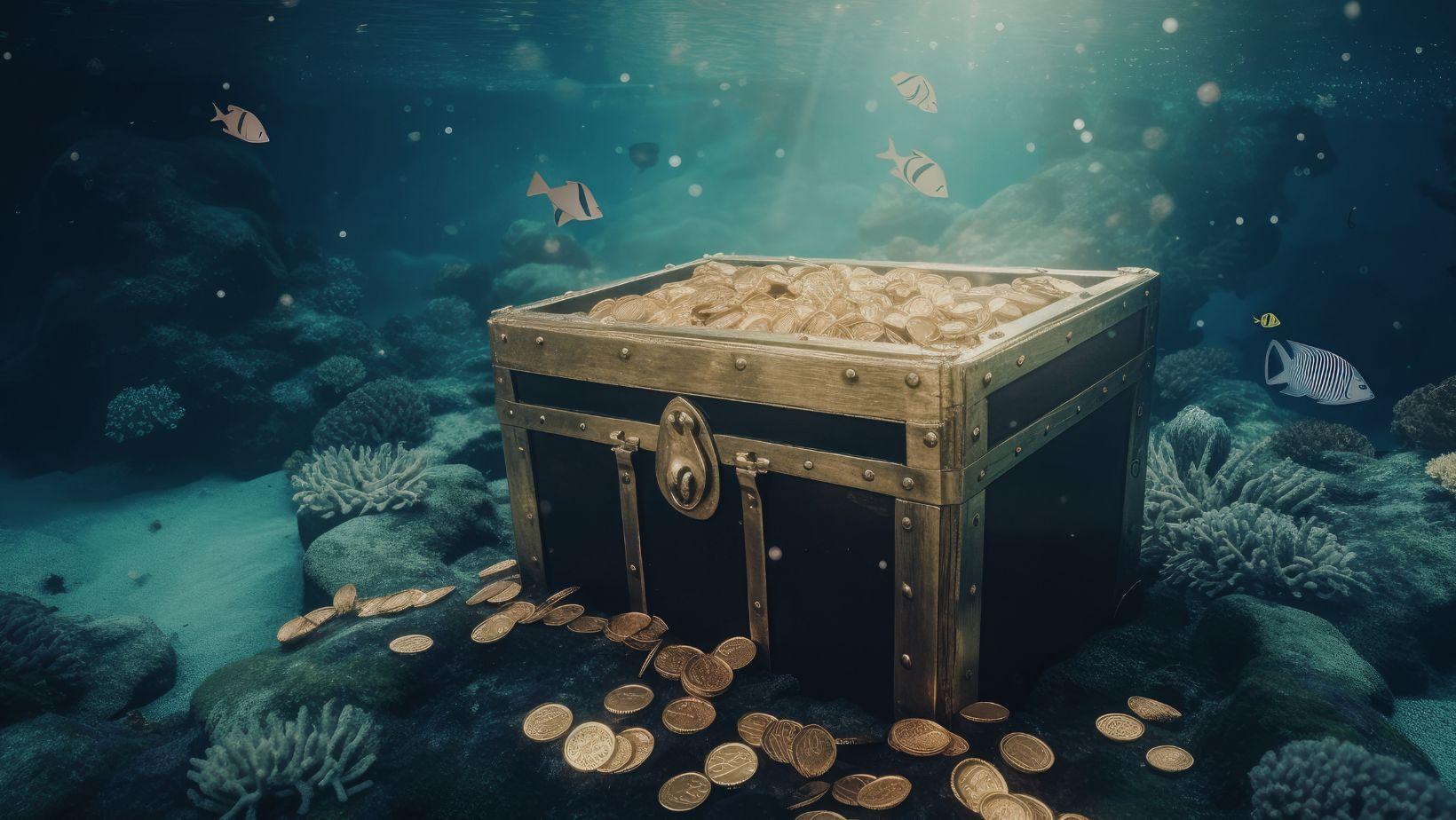
Lost treasure has fascinated people for centuries. Stories of sunken ships, missing cargo, and long-forgotten riches continue to capture the imagination because they combine adventure, history, and the possibility of discovery. Even in an age of advanced technology, the idea of uncovering something that has rested unseen for decades remains remarkably compelling.
Shipwreck coins hold a special place within that fascination. Unlike many historical artifacts, coins often survive long periods underwater and can provide a direct connection to the people, events, and economies of the past. Each recovered piece offers a tangible link to a story that might otherwise have been lost to time.
What makes these discoveries especially intriguing is the way they blend mystery with documented history. Collectors and historians alike continue to be drawn to treasures such as S.S. Gairsoppa Coins, which transformed a wartime tragedy into one of the most remarkable recovery stories of the modern era.
The Story of a Wartime Shipwreck
The S.S. Gairsoppa was a British merchant vessel operating during World War II, a time when ships played a critical role in transporting supplies and valuable cargo across dangerous waters. Among the cargo aboard was a significant shipment of silver that was intended to support wartime economic needs.
In February 1941, while traveling through the North Atlantic, the vessel encountered one of the many threats that defined maritime operations during the war. A German submarine targeted the ship, ultimately leading to its sinking in rough waters far from safety.
The loss of the vessel carried both human and economic consequences. Beyond the tragic loss of life, the enormous quantity of silver resting on the ocean floor quickly became the subject of fascination. Over time, the ship's cargo developed an almost legendary reputation among treasure hunters and historians.
A Discovery Decades in the Making
For many years, the exact location of the wreck remained beyond practical reach. The depth of the ocean and the limitations of available technology made recovery efforts extremely difficult. What was once known through historical records remained inaccessible beneath thousands of feet of water.
Advances in deep-sea exploration eventually changed the situation. Sophisticated sonar systems, remotely operated vehicles, and high-resolution imaging technologies allowed researchers to locate and examine wreck sites with unprecedented accuracy. These tools opened new possibilities for recovering long-lost treasures.
When the wreck was finally located and recovery operations began, the story attracted worldwide attention. The combination of wartime history, massive silver reserves, and cutting-edge technology created a discovery that appealed to collectors, historians, and the general public alike.
What Makes Shipwreck Coins Different
Coins recovered from shipwrecks often carry a level of intrigue that extends beyond their age or precious metal content. Their appeal comes in part from their documented journey through history. Unlike many collectibles, these pieces can often be traced to a specific event and location.
That direct connection to historical events gives shipwreck coins a unique identity. A recovered coin is not simply an old object. It becomes part of a larger narrative involving maritime travel, commerce, conflict, and discovery. The story surrounding the coin can be just as important as the coin itself.
Collectors frequently place significant value on provenance, the documented history of an item. Knowing where a coin came from and how it was recovered can enhance its appeal and help distinguish it from similar pieces without such a well-established background.
Preserving History From the Ocean Floor
Recovering coins from deep-sea wrecks is only the beginning of the process. Once brought to the surface, experts must carefully evaluate and conserve each item to protect it from damage. Years spent underwater can create challenges that require specialized treatment and expertise.
Conservation professionals use a variety of techniques to stabilize recovered artifacts. Their goal is not only to preserve appearance but also to maintain historical integrity. Every step must be performed carefully to avoid compromising the item's long-term condition.
Authentication is equally important. Detailed documentation, scientific analysis, and recovery records help establish authenticity and provenance. These efforts ensure that recovered coins can be studied, appreciated, and preserved for future generations while maintaining their connection to the historic events that shaped their story.
Conclusion
The journey from ocean floor to collector's display is what makes shipwreck coins so compelling. They are more than precious metal artifacts. They represent discoveries that bridge centuries, connecting modern audiences with remarkable moments from the past.
The recovery of treasure from historic wrecks demonstrates how technology and historical research can work together to uncover stories once thought permanently lost. Each recovered coin serves as a reminder that history often survives in unexpected places.
The legacy of discoveries like the S.S. Gairsoppa continues to inspire collectors and historians around the world. These remarkable finds prove that sometimes the most fascinating treasure is not the silver itself, but the extraordinary story that accompanies it.