

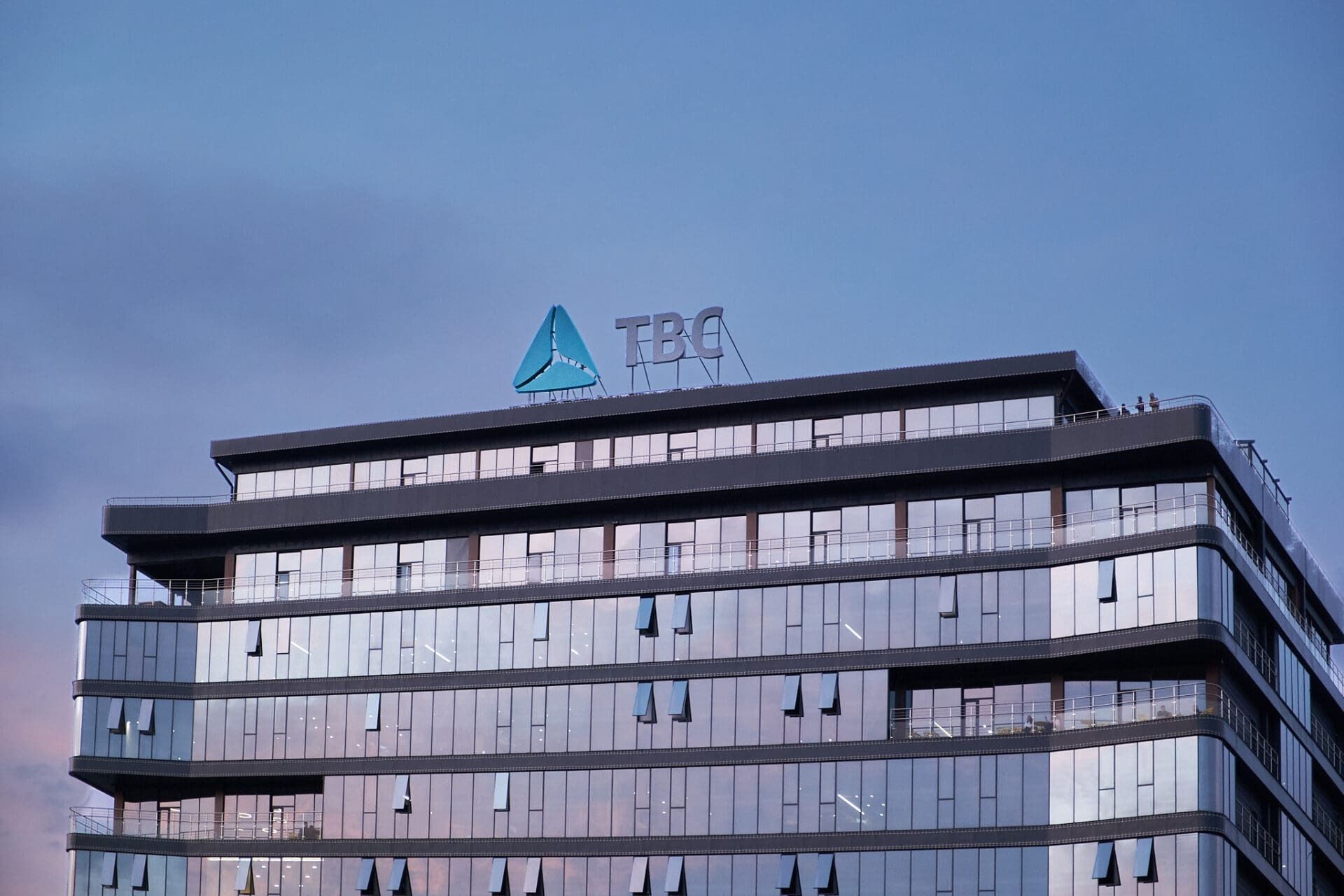
The announcement of a long-term strategic partnership between UZCARD and TBC Bank Uzbekistan to jointly develop and issue TBC Salom UZCARD bank cards marks a meaningful step in how financial services reach consumers across Uzbekistan. The agreement sets out a first-phase program to issue one million cards, supported by jointly developed digital infrastructure, remote issuance capabilities, and coordinated marketing efforts designed to activate a large and engaged cardholder base. More than a product launch, the partnership represents an institutional commitment to expanding the reach, quality, and convenience of card-based financial services to a broader segment of the population.
What the Partnership Means for Everyday Financial Users
For the average consumer, partnerships between payment infrastructure operators and digital banks translate into better products — more accessible, more feature-rich, and more reliably supported than either party could deliver independently. UZCARD brings the transaction processing depth and national network coverage that ensures the TBC Salom UZCARD functions consistently across the full range of payment environments in Uzbekistan. TBC Bank Uzbekistan brings the digital experience layer — the mobile interface, the onboarding process, the ongoing servicing — that determines whether users actually engage with the product after receiving it.
The combination is designed to close a gap that many card products in emerging markets leave open: technically capable infrastructure paired with a poor user experience, or an appealing digital interface operating on a fragile or limited payment network. By aligning both sides of this equation from the outset, the TBC Salom UZCARD is structured to deliver a product that works well and is used regularly.
Digital Credit Demand and the Broader Financial Access Context
The UZCARD and TBC Bank Uzbekistan partnership is taking shape in a market where demand for accessible digital financial products is growing rapidly across multiple categories. Uzbekistan’s population — large, young, and increasingly mobile-first — is actively seeking financial tools that match the convenience of their digital habits. This is visible not just in payments but in lending: search demand for terms like “быстрый кредит онлайн” and “tezkor kredit olish” reflects a population that expects financial products — including credit — to be accessible quickly, digitally, and without the friction of branch visits or paper documentation. Card products that sit within broader digital banking ecosystems, where credit, payments, and everyday financial management are integrated, are precisely what this demand is pointing toward.
Remote Issuance as a Prerequisite for Scale
One of the specific technical commitments within the UZCARD and TBC Bank Uzbekistan agreement is the establishment of remote card issuance — the infrastructure that allows a customer to apply for, receive, and activate the TBC Salom UZCARD entirely through digital channels, without requiring a visit to a physical location. This capability is no longer a differentiating feature in mature digital banking markets; it is a baseline expectation. In Uzbekistan’s context, however, where digital card issuance at national scale is still developing, building this capability into the product from launch is a meaningful design choice.
Remote issuance also enables geographic reach that branch-based card distribution cannot match. Uzbekistan’s population is distributed across a large and varied territory, and many potential cardholders live in areas where branch access is limited. A product that can be issued and managed entirely digitally removes this constraint, extending the addressable market for TBC Salom UZCARD considerably beyond what a branch-anchored distribution model would allow.
Transportation Integration and the Logic of Habitual Card Use
Among the product features included in the TBC Salom UZCARD design is integration with ATTO, Uzbekistan’s public transportation payment platform. Through this integration, cardholders will be able to use their card to pay transfer fares on public transport — a use case that generates card engagement on a daily basis for a significant portion of the urban population.
The strategic value of transportation integration extends beyond the convenience it offers individual users. Cards used daily for commuting become embedded in routines in a way that cards used only for occasional retail purchases do not. This frequency of use builds familiarity, habitual reliance, and a relationship between the cardholder and the broader TBC Bank Uzbekistan ecosystem that creates natural opportunities for engagement with additional financial products over time.

Both parties have also committed to developing additional third-party partnerships to expand the TBC Salom UZCARD benefit set as the product matures, indicating that transportation integration is the first in a planned series of use case extensions rather than a standalone feature.
Institutional Ambition and the Road Beyond One Million Cards
The one million card target for the first phase of the partnership is presented by both UZCARD and TBC Bank Uzbekistan as a starting point, not a ceiling. Both organizations have framed the collaboration in explicitly long-term terms, emphasizing joint product development, shared technical infrastructure investment, and ongoing expansion of the partnership as the product scales.
David Melikidze, CEO of UCMG LLC, described the memorandum as a foundational step: “We see significant potential in combining UZCARD’s infrastructure capabilities with TBC Bank’s digital expertise. Working together will allow us to create even more convenient and technologically advanced solutions for users.” Spartak Tetrashvili, CEO of TBC Bank, reinforced this orientation: “We look forward to a long-term partnership and the joint development of the product.”
The language from both executives points toward a partnership model built on iterative improvement rather than a fixed co-issuance arrangement. As the product evolves and the cardholder base grows, the infrastructure and commercial relationship supporting it are expected to develop in step.
The TBC Salom UZCARD partnership between UZCARD and TBC Bank Uzbekistan positions itself at the intersection of two forces shaping Uzbekistan’s financial market: the maturation of national payment infrastructure and the rapid expansion of digital banking capability. By combining these strengths within a single, jointly managed product, both organizations are contributing to a financial services environment that is more accessible, more capable, and more responsive to the expectations of a digitally engaged population. The one million card commitment sets an ambitious initial benchmark — but the longer-term significance lies in the model of collaboration it establishes and the foundation it builds for what comes next.