

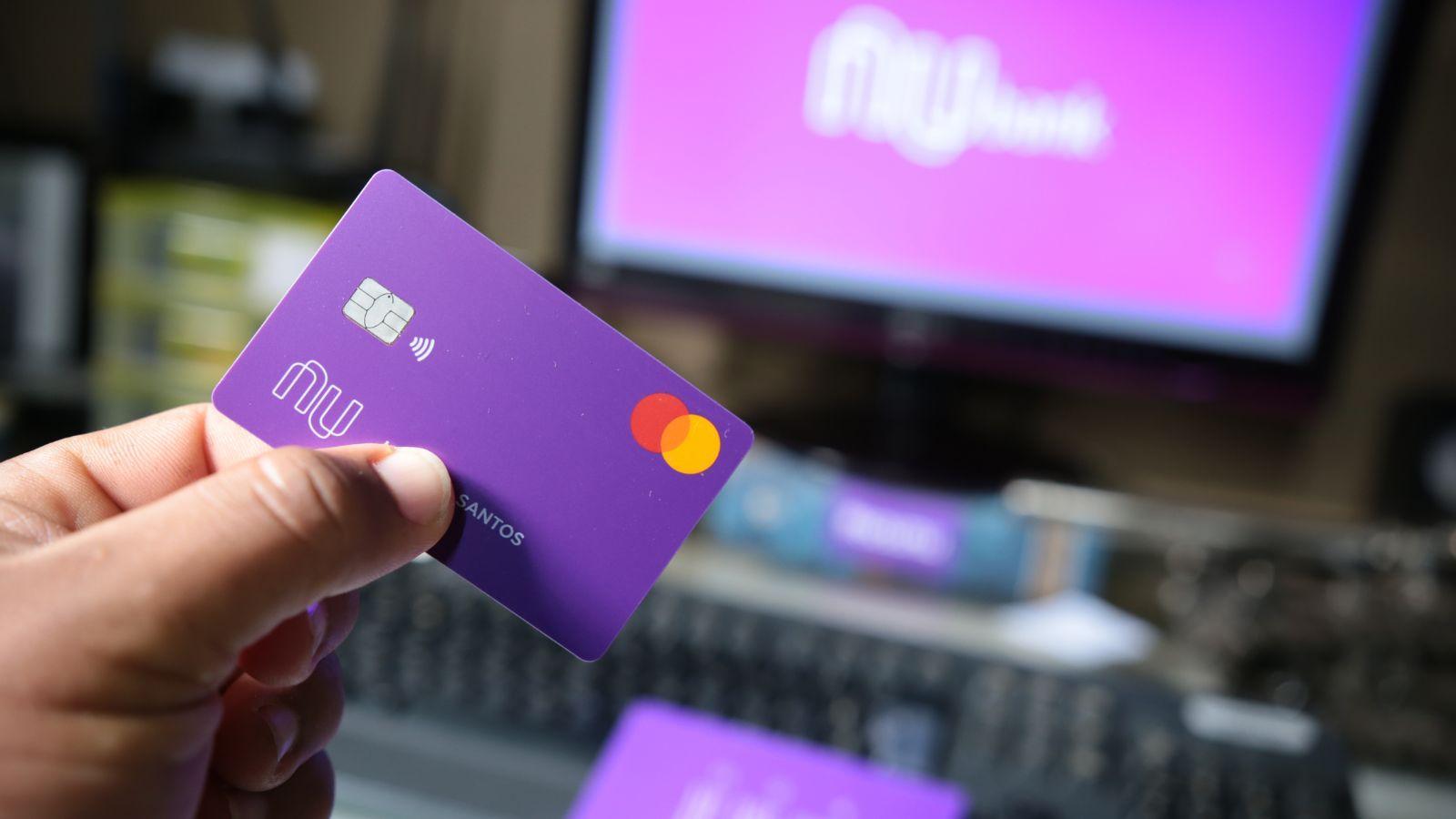
Many newcomers explore different payment methods before entering the digital asset market, and one question that often comes up is whether it’s possible to buy crypto with a prepaid Mastercard. The answer depends on several factors, including the exchange you use, the card issuer’s policies, local regulations, and the type of prepaid card you own. While prepaid cards can offer convenience and spending control, they don’t always work the same way as standard debit or credit cards. Understanding how they function before attempting a purchase can help you avoid unnecessary declines, delays, or fees.
How Prepaid Mastercards Work
A prepaid Mastercard is a payment card that must be loaded with funds before it can be used. Unlike a credit card, it does not provide access to borrowed money, and unlike a traditional debit card, it is not necessarily connected to a personal bank account.
Many people use prepaid cards for budgeting, online shopping, travel, or as gift cards. Since spending is limited to the available balance, they can help users manage expenses without risking overdrafts.
However, different financial institutions issue prepaid cards, and each issuer sets its own rules regarding online transactions. Some allow purchases involving digital assets, while others block cryptocurrency-related transactions altogether.
For this reason, having a Mastercard logo on the front of the card does not automatically mean it can be used for crypto purchases.
Not Every Prepaid Card Is Accepted
One of the biggest misconceptions is that all prepaid cards work the same way. In reality, there are several different types.
Some prepaid Mastercards are reloadable and issued after identity verification, functioning similarly to standard payment cards. Others are anonymous gift cards intended only for retail purchases. Certain cards are restricted to domestic transactions, while others support international payments.
Crypto platforms typically require payment methods that support online authentication and comply with anti-fraud measures. If a prepaid card cannot complete these security checks, the payment may be rejected even if sufficient funds are available.
Before making a purchase, it is worth checking whether your card issuer permits digital asset transactions and whether your chosen platform accepts prepaid payment methods.
Why Some Transactions Are Declined
Payment failures do not always indicate a problem with the exchange.
In many cases, the decline originates from the card issuer. Financial institutions may block cryptocurrency transactions because they classify them as higher-risk payments. Others may require additional authentication that certain prepaid products cannot provide.
A transaction may also fail because:
- The available balance does not cover both the purchase amount and processing fees.
- The card is restricted to domestic purchases.
- International online payments are disabled.
- The card has not been activated for e-commerce.
- The card issuer blocks digital asset transactions.
Understanding the source of the decline can save time and help determine whether another payment method would be more appropriate.
Verification Still Applies
Using a prepaid card does not eliminate identity verification requirements.
Most regulated cryptocurrency platforms require customers to complete Know Your Customer (KYC) procedures before accessing certain services. Depending on local regulations, this may involve confirming your identity, address, and other account information.
These checks are designed to help prevent fraud, money laundering, and unauthorized account activity. They apply regardless of whether you use a bank card, bank transfer, mobile wallet, or prepaid payment card.
For many first-time buyers, verification is often the longest step in the process, while future purchases may require significantly less time once the account has been approved.
Understanding the Costs
The purchase price is not always the only cost involved.
Different platforms may apply processing fees, service charges, or spreads between buying and selling prices. At the same time, prepaid card issuers can charge their own fees for certain transactions.
Depending on the card, you may encounter:
- Card loading fees
- Monthly maintenance charges
- Currency conversion fees
- International transaction fees
- Card inactivity fees
These costs are separate from any fees charged by the cryptocurrency platform itself.
Reviewing both the exchange’s pricing structure and your card’s fee schedule beforehand can provide a clearer picture of the transaction’s total cost.
Security Considerations
Security should always take priority when purchasing digital assets.
Before entering payment details, confirm that you are using a legitimate platform with appropriate security measures. Look for features such as encrypted connections, two-factor authentication, withdrawal protection, and account verification.
Users should also avoid sharing card information via unofficial websites or social media links that claim to offer discounted crypto purchases. Fraudsters frequently imitate legitimate exchanges using fake websites designed to collect payment credentials.
If something appears unusually generous or promises guaranteed returns, it deserves additional scrutiny.
Protecting the payment method is just as important as protecting the cryptocurrency itself.
Think Beyond the Purchase
Buying digital assets is only the beginning.
New participants should also consider how they intend to store, manage, and eventually transfer their holdings. Some people keep assets on a regulated platform for convenience, while others prefer to transfer them to personal wallets, where they manage their own private keys.
Each approach involves different responsibilities.
Keeping assets on a platform may simplify access and recovery procedures, while self-custody provides greater control but requires careful backup management. Losing wallet recovery phrases or private keys can result in permanent loss of access.
Understanding these differences before making a purchase can help avoid costly mistakes later.
Alternative Payment Methods
If a prepaid Mastercard is not accepted, there are often other ways to fund a crypto purchase.
Depending on the platform and region, eligible users may have access to payment methods such as:
- Debit cards
- Credit cards
- Bank transfers
- Mobile wallets like Apple Pay or Google Pay
- Online payment services were supported
Availability varies by jurisdiction, and not every payment method is supported in every country.
Comparing available funding methods may help users choose the one that best matches their needs in terms of convenience, processing times, and potential costs.
Final Thoughts
Prepaid Mastercards can provide a convenient way to manage spending, but they are not universally accepted for cryptocurrency purchases. Much depends on the card issuer, the platform’s supported payment methods, regional regulations, and the security requirements involved in processing digital asset transactions.
Before attempting a purchase, it is worth confirming that the card supports online payments, reviewing any associated fees, and understanding the verification process required by the platform. Taking a few minutes to research these details can reduce the likelihood of declined transactions and provide a smoother experience.
Like any financial decision, purchasing cryptocurrency should begin with education rather than urgency. Understanding how payment methods work, what costs may apply, and how digital assets are stored can help individuals make more informed decisions as they explore the crypto ecosystem.